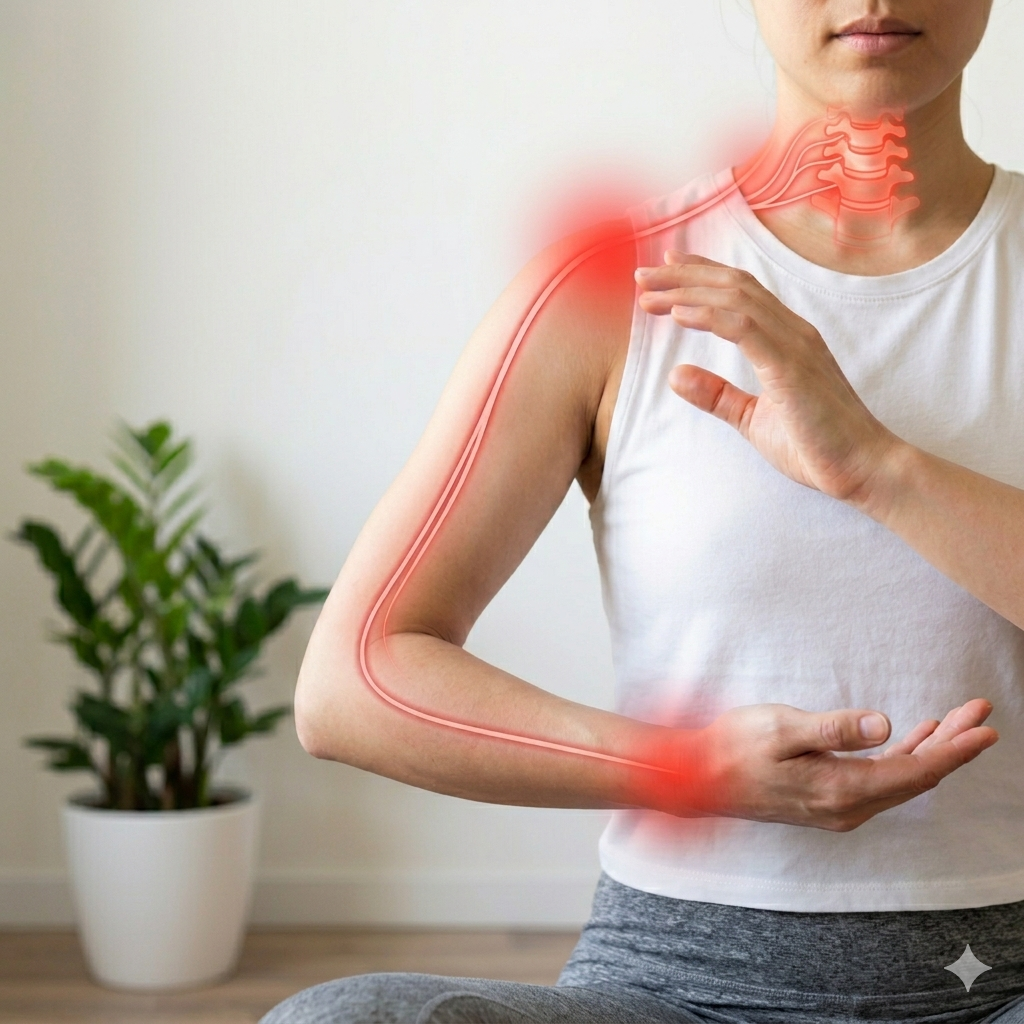
Struggling with nerve pain or sciatica? Discover how acupuncture and moxibustion at AcuSoul can reduce pain, improve circulation, and support long-term relief.
Struggling with nerve pain or sciatica? Discover how acupuncture and moxibustion at AcuSoul can reduce pain, improve circulation, and support long-term relief.
If you’ve been dealing with nerve pain—whether it’s sciatica, carpal tunnel syndrome, or a persistent tingling sensation—you’ve probably asked:
“What’s actually causing this?”
Most people assume nerve pain comes from a pinched nerve or physical injury.
And while that’s true… it’s often only part of the story.
In a fast-paced city like Toronto, one of the most overlooked causes of nerve pain is something deeper: Chronic stress and physical exhaustion.
We live in a culture that rewards constant productivity—long hours, side hustles, and pushing through fatigue.
Over time, this creates chronic stress, which affects more than just your mental health.
Exhaustion of your body’s resources, can lead to weakness over time. It’s like trying to workout when you had a bad night of rest. Your stamina just isn’t there.
This fatigue doesn’t just affect your overall energy and mood, but in TCM your vitality stems from the kidneys. If depleted, this can lead to nerve compression, bulging discs, sciatica, radiculopathy, carpal tunnel syndrome, and shoulder impingement as the kidneys regulate bone health, and structural integrity in TCM.
This impacts your body as:
A weak structural support —> laxity in the joints —> muscular tension to compensate
Over time, this can contribute to:
Nerve compression
Overall tightness in the body
Inflammation
Increased pain sensitivity
Short bursts of stress can be beneficial. Chronic stress is not.
Did you know that sitting actually increases your blood pressure? As a result, your heart has to pump harder to maintain healthy levels of ciruclation. Sitting for long periods—whether at a desk or in a car— can be exhausting.
Common effects include:
Tight hip flexors
Tension in the lower back
Rounded shoulders and forward head posture
These changes can lead to:
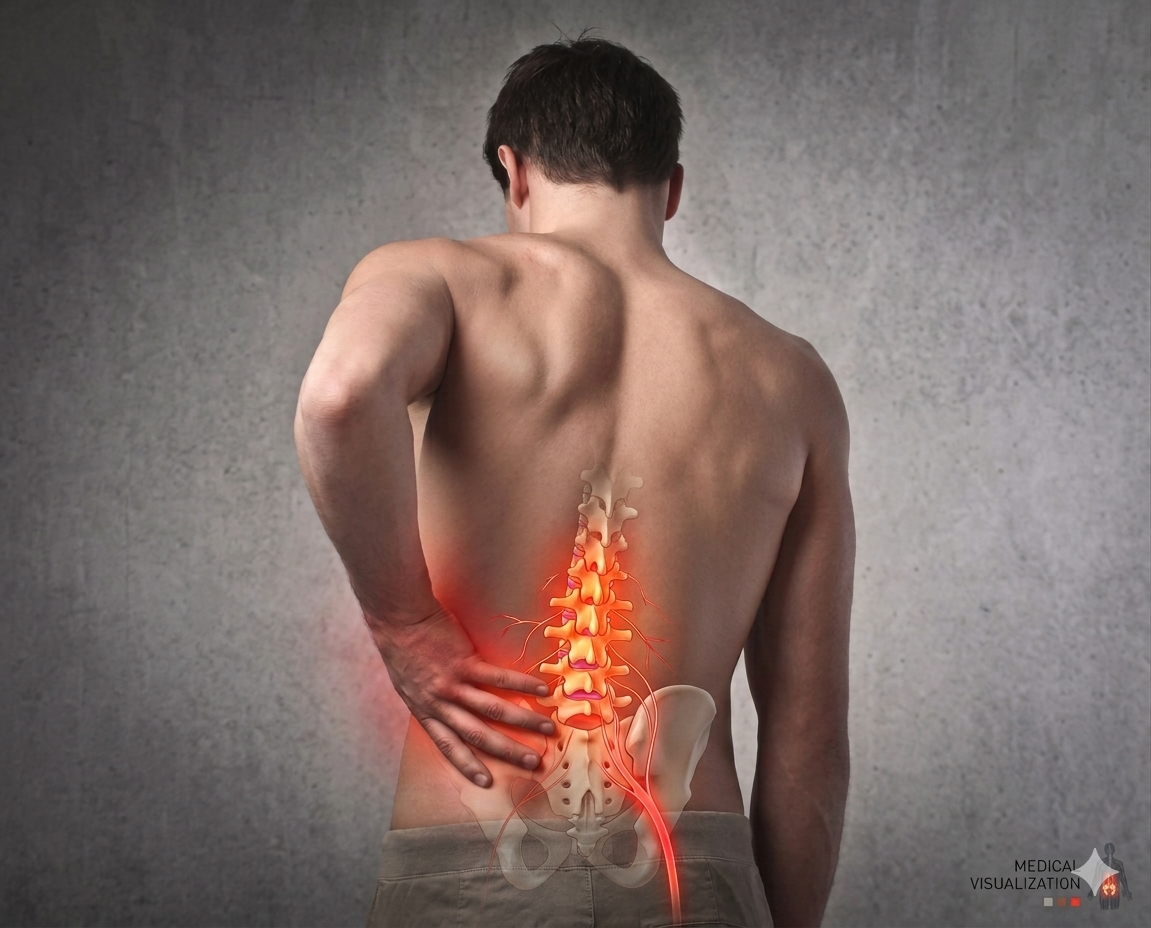
Sciatica
Shoulder impingement
Numbness or tingling in the arms and legs
Even small postural imbalances, repeated daily, can gradually irritate nerves.
Exercise and movement are essential—but without proper recovery, they can contribute to pain instead of preventing it.
Signs of inadequate recovery:
Persistent soreness
Decreased strength or performance
Ongoing tightness
Over time, this creates structural fatigue, increasing the risk of:
Nerve irritation
Joint instability
Compensation patterns that lead to chronic pain
Your body doesn’t rebuild during activity—it rebuilds during recovery.
Daily habits like typing, scrolling, and gaming may seem harmless—but repetition without variation adds up.
This is a major contributor to:
Carpal tunnel syndrome
Wrist and forearm pain
Neck-related nerve symptoms
When movement lacks variety, tissues become overloaded—and nerves can become compressed.
From a Traditional Chinese Medicine perspective, long-term stress and exhaustion weaken the body’s foundational energy—often associated with the Kidney system.
From a modern perspective, this can look like:
Reduced joint stability
Poor spinal support
Increased susceptibility to misalignment
This is where many diagnoses overlap:
Sciatica
Radiculopathy
Bulging discs
Shoulder impingement
Different labels—same underlying pattern: structural imbalance leading to nerve compression.
Nerve pain isn’t just something to push through.
It’s often your body’s way of signaling that you’re pushing beyond your physical or mental limits.
True recovery requires more than symptom relief.
It requires rest, circulation, and restoring balance to the system.
Rest isn’t simply “doing nothing.”
You can be physically still but mentally overactive—and that’s not true recovery.
Real rest might include:
Walking outdoors
Deep, quality sleep
Meditation or breathwork
Gentle movement like yoga
Or simply allowing your nervous system to shift out of stress mode.
Acupuncture addresses both the symptoms and underlying causes of nerve pain.
It may help:
Improve circulation to affected areas
Reduce muscle tension and nerve compression
Regulate the nervous system
Support the body’s natural recovery processes
Many patients report feeling deeply relaxed—similar to a restorative nap.
In that sense, acupuncture isn’t just a treatment.
It’s a structured form of recovery your body may be missing.
Conditions like sciatica, carpal tunnel syndrome, and chronic nerve pain are rarely isolated issues.
They often stem from a combination of:
Chronic stress
Physical exhaustion
Poor recovery habits
Structural imbalances
Addressing these root causes is what leads to long-term relief—not temporary fixes.
At AcuSoul, we take a whole-body approach to treating nerve pain—combining acupuncture with personalized lifestyle guidance to support full recovery.
If you’ve been dealing with persistent nerve pain, it may be time to look beyond the surface—and address what’s really driving it.
Sciatica pain can come on suddenly and keep coming back. Acupuncture helps reduce nerve irritation, improve circulation, and support long-term relief so you can move confidently again.
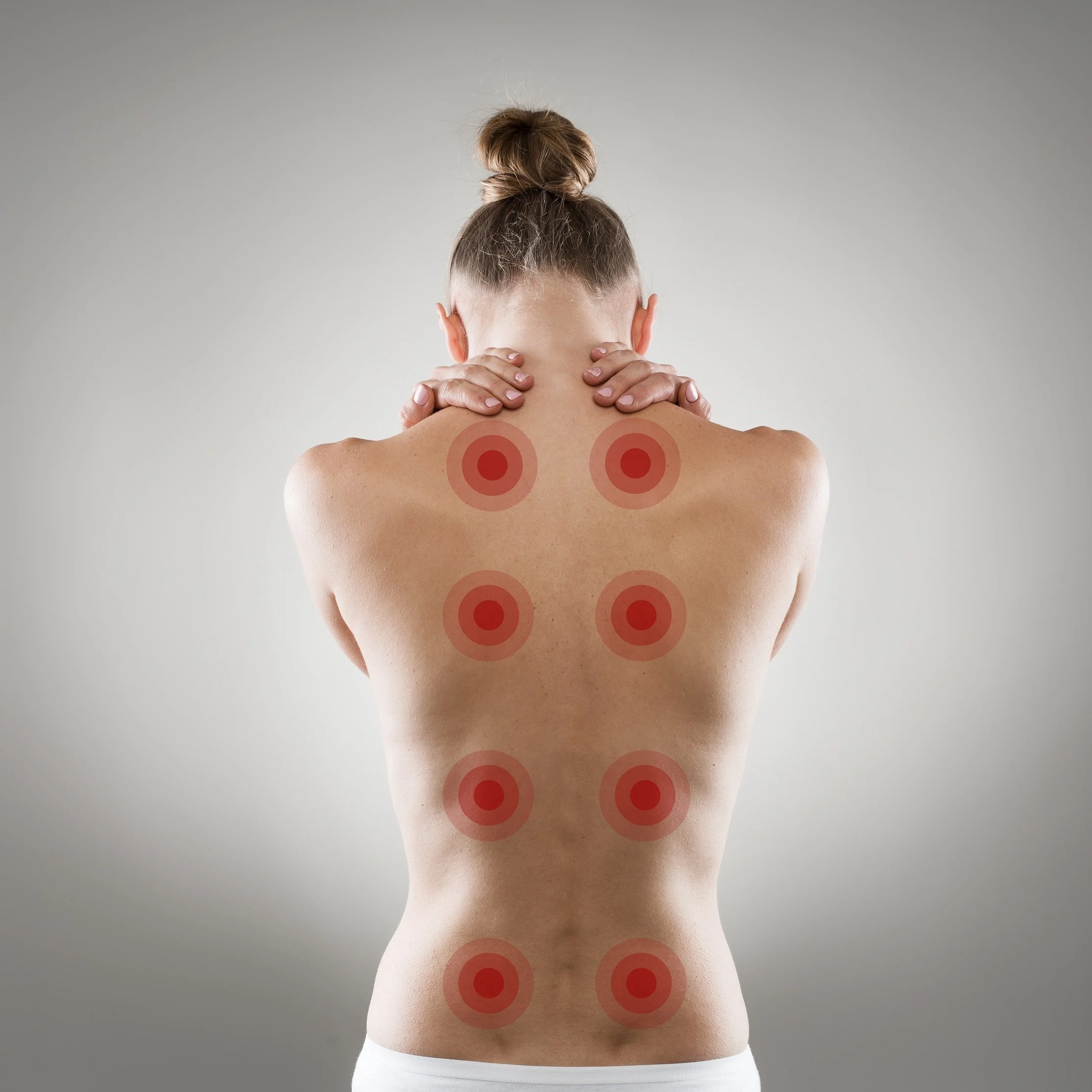
Many people in Toronto, Ontario experience neck pain due to stress, posture, and long hours at a desk. Neck pain is common.
But it is not normal—and it’s definitely not something you have to live with.
Yet every week, we meet people across Toronto who tell us the same thing:
“I thought this was just part of getting older.”
It’s not.
Neck pain is most commonly caused by poor posture, stress, and muscle tension—and it can often be effectively treated with approaches like acupuncture.
For most people, it doesn’t come from a major injury.
It happens suddenly (your symptoms):
You wake up and turn your head → sharp pain
You check your blind spot while driving → stiffness
You reach for something → WHACK
And just like that:
You skip workouts
You move cautiously all day
You feel stuck in your own body
This week I want to help you free yourself from this pain.
Let’s get you back to feeling freedom of movement without any mystery pain!
Let’s get you back into the gym. Let’s get you through the workday without a stab of pain from nowhere. Let’s get you back to feeling comfortable, relaxed, and not having to sit or stand in awkward positions just to avoid pain.
What is the most common culprit for neck pain?
Stress! And here’s how…
Most neck pain feels sudden—but it’s usually not.
When you’re stressed, your body goes into protection mode:
your shoulders rise
your neck tightens
your breathing becomes shallow
This subtle change leads to hunching forward with poor posture (“tech neck”), which:
reduces blood flow
leads to muscle tension and fatigue
weakened support structures (ligaments & tendons)
Overtime the body becomes exhausted - adrenaline starts to wear off - and then all it takes is:
sleeping in an awkward position
one sudden movement
…and your neck “locks up.”
One trick I want to share with you is one of the best acupressure points on the back of your hand for alleviating neck pain:
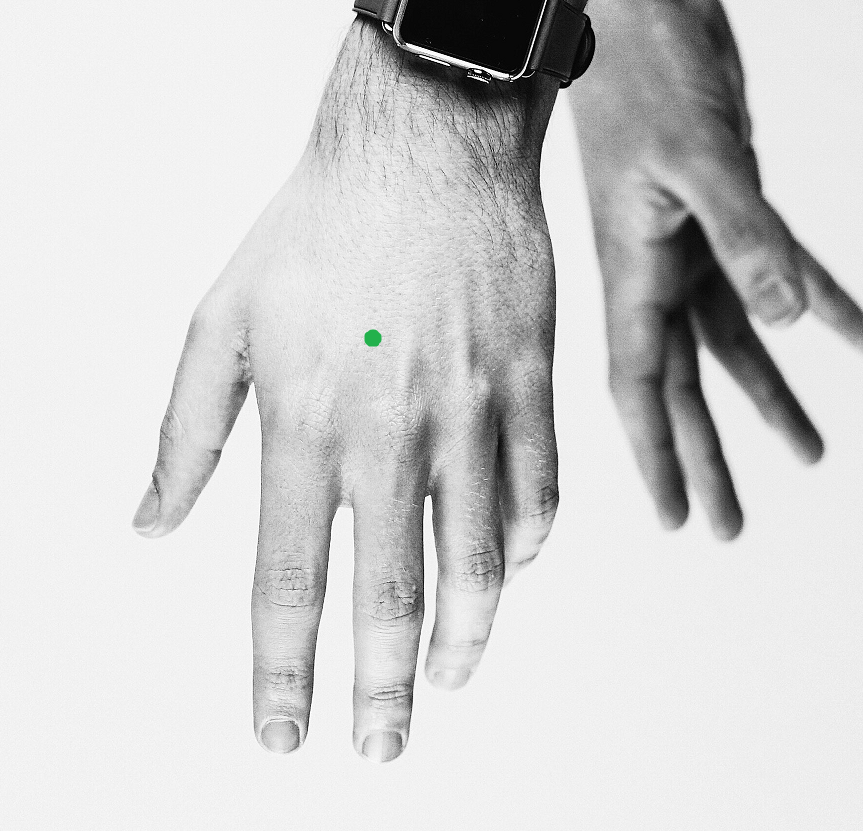
It’s about 1 inch above your knuckles between your index and middle finger. Found it? Press on it hard, and take a few deep and slow breaths as you try moving your neck again. Now, I hope that this temporary relief gives you … well, some relief! But if you’re looking for long-term relief from neck pain, why not give acupuncture a try?
Instead of just masking pain, it works by:
improving circulation to tight muscles —> As muscles become better nourished through increased blood flow, this allows for proper healing (unlike a constricted neck)
releasing deep, built-up tension
calming the nervous system (reducing stress response)
Most patients notice:
immediate relaxation during treatment
increased range of motion
less “guarding” or stiffness
Relaxing the neck with acupuncture is great.
But in addition to relaxing it, we use moxibustion (heat) treatment to give your circulation an even bigger boost! If you’ve ever gone for a sauna, or wanted to warm up by the fire place - heat enables:
Relaxation
Alleviates tension
Improves circulation naturally
If you’re tired of:
random flare-ups
avoiding the gym
feeling stiff at work
…it’s time to address the cause—not just the symptom.
We offer personalized acupuncture treatments right here in Toronto at our clinic near King & Bathurst.
We’ll:
assess your specific pattern of pain
explain what’s actually going on
start treatment right away
Many patients feel a difference after their first visit. If you’re interested in relieving the pain, we have experienced acupuncturists that offer acupuncture in Toronto, Ontario located at 54 Stewart Street (King and Bathurst).
Frequently Asked Questions About Neck Pain:
Is neck pain normal?
No. While common, it is usually caused by posture, stress, or strain and can be treated.
What causes neck pain the most?
The most common causes are poor posture, stress, and muscle tension.
Does acupuncture help neck pain?
Acupuncture may help relieve tension, improve circulation, and reduce pain.
When should I seek treatment?
If your neck pain lasts more than a few days or keeps coming back.
Recover smarter, not harder. Moxibustion is a powerful heat therapy that targets stubborn injuries, reduces muscle tension, and accelerates recovery. Perfect for athletes and active adults, it works alongside acupuncture to help you get back in the game faster and feel your best.
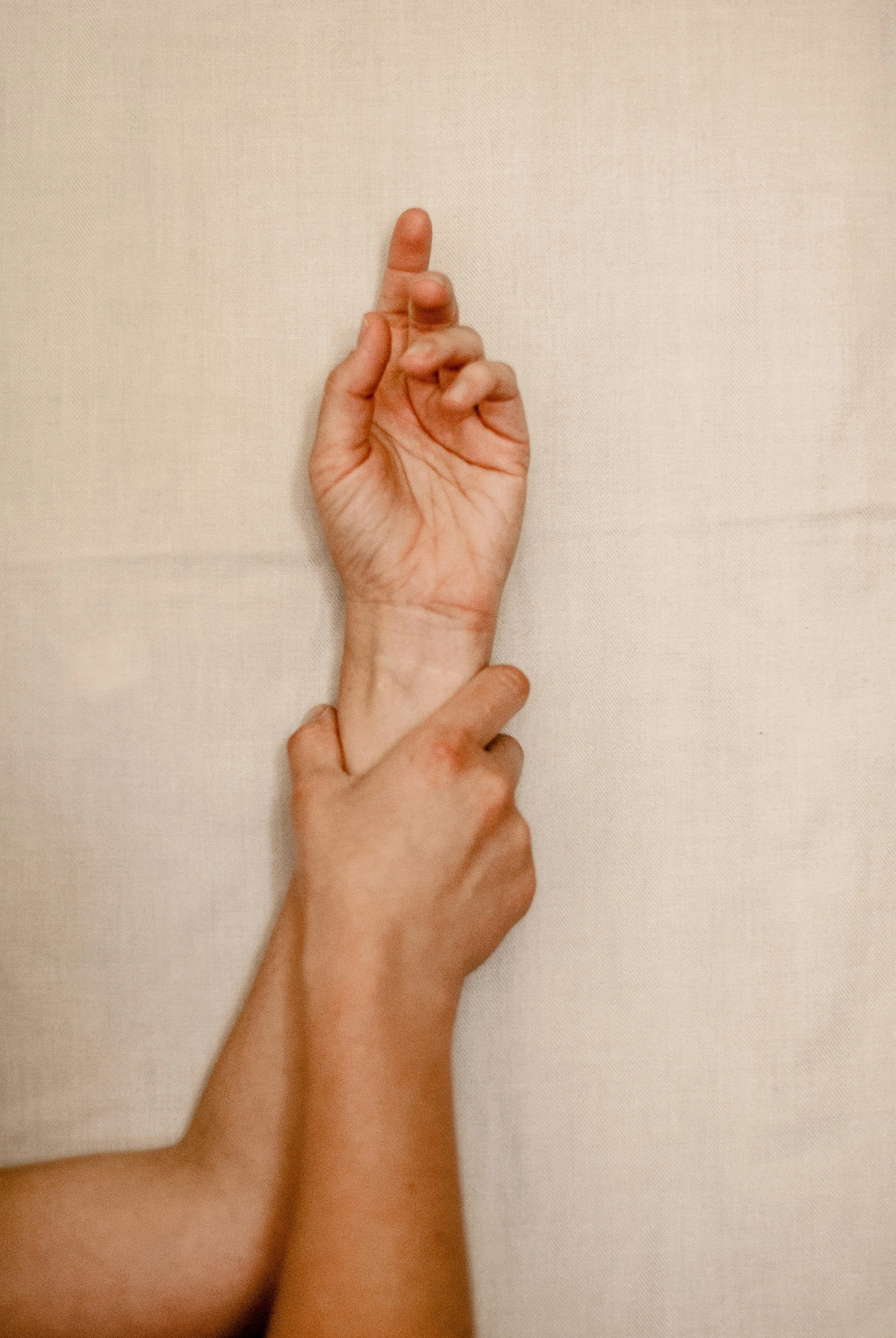
Repetitive strain injuries are more common than ever—especially with long hours spent typing, scrolling, or working at a desk. Many people don’t realize that poor ergonomics—like slouched posture, incorrect elbow height, or a constantly bent wrist—can gradually lead to wrist pain, stiffness, and even carpal tunnel syndrome.
Your schedule is busy enough as is, wrist pain, or carpal tunnel syndrome is definitely not another issue you need slowing you down.
If only you started with perfect ergonomics, this wouldn’t have happened at all. If only there was a way to quickly reset the damage you’ve done - you promise to have good ergonomics going forward!
Guess what? Acupuncture offers a natural, effective way to relieve wrist pain and reset your body—without needing time off work.
Acupuncture can help by
Improving the circulation in the wrist
Reduce nerve compression and inflammation
Relieving muscle tension and pain
And ultimately getting your wrist moving freely again pain free!
But acupuncture goes beyond just treating the local area. Yes, we can put a needle where the problem is. However, what if I told you that your wrist tension is related to exhaustion of the body.
Blood we know as being life giving - without it:
Your muscles wouldn’t be nourished - hence the tension
Your hair would lack luster
And your face would wrinkle up like a prune
But, did you ever think that you could deplete your blood?
In Chinese Medicine, we see stress, and overwork lead to Qi deficiency (low energy), and eventually Blood Deficiency.
If your recovery has been slower than expected - A blood test might indicate lower than normal hemoglobin (red blood cell(RBC) count), or iron levels.
In TCM, the Kidneys play a vital role in energy, and blood production. So, often times in clinical practice, I find that when we work on the kidneys - we often hit multiple birds with one stone:
Improved energy levels
Better circulation
Reduced muscle tension
Faster recovery from chronic pain
By addressing this root imbalance, acupuncture helps the body heal more effectively—rather than just masking symptoms.
For chronic carpal tunnel syndrome (more than 2 months) - a wrist point might only provide temporary relief as it:
Draws more resources away from the rest of the body
Lead to recurring symptoms
However, long term, this further depletes blood in the body because the root cause is not being addressed in tandem. As such, you might notice the wrist pain returning after a few days or a week.
Again, this is why working on the root cause is crucial - the Kidneys. Instead of just treating the symptoms, it helps restore balance, build blood, and support your body’s natural healing process.
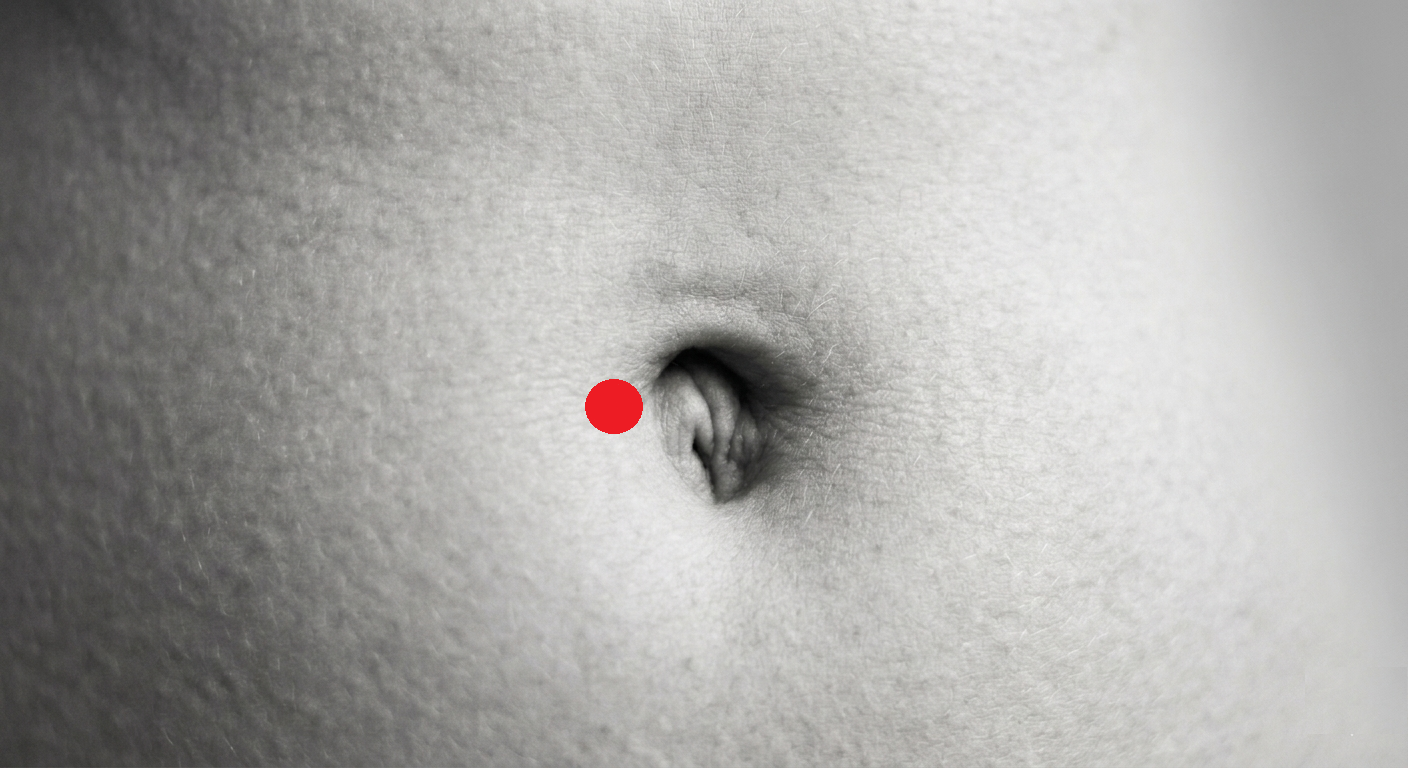
Do the opposite side of whichever wrist is feeling the pain. For example (left wrist pain), do the right side of your belly button. Apply pressure with your index finger or thumb, and hold it for about 20 seconds. Then see if your wrist feels a bit looser. Feeling better? Awesome, I’m glad that acupressure point gave you some relief!
So, if you’re ready to reset that wrist pain, book a session. We’ll do a full consultation to understand where the problem is coming from, and get your body back to feeling its best!
If you’ve been dealing with recurring pain for weeks, months, or even years, you’ve probably asked yourself:
“Why hasn’t this pain gone away yet?”
Most people initially try rest and expect symptoms to improve overnight. And often times, this does work for lighter acute injuries.
Chronic pain tends to persist beyond normal tissue healing time and recurs with multiple triggers. What holds the body back from healing can stem from a combination of stress or an overstimulated nervous system, reduced circulation, and repetitive triggering patterns that prevent full recovery.
You likely didn’t give it much thought until it had been a couple of weeks of - just going to sleep on time, and waking up still in pain - before taking it seriously. Now, you’re googling or trying to find a solution to free yourself from this pain. Here I’m going to share a few ways to better manage chronic pain so your body can actually move toward full recovery.
One commonly overlooked factor in early injury recovery is adequate rest. Immediately following the injury, did you take a few days off from work, and just rest? That probably would have been the fastest road to recovery - and allowed your body to fully heal through the pain. Here’s why:
Believe it or not, your mental stress does affect your physiology (how your body works). Being constantly mentally engaged can distract the body from taking care of the injury.
Stress increases sympathetic nervous system activity
This increases muscle tension
This reduces circulation
Reduced circulation slows tissue recovery
Taking time off from work immediately following an injury allows your mind to rest. Which then enables your body to relax, and allow for better circulation and faster recovery.
So if you haven’t already - incorporate relaxation routines into your schedule
Nervous system regulation (yoga 3x/week, sleep early, read before bedtime, meditation, nature walks)
Circulation support (cardio 2x/week, walking)
Recovery support (acupuncture 1x/week)
Relaxation is definitely the first low hanging fruit we want to try before anything else.
Now sometimes even after taking time off from work, the body just doesn’t fully relax. This can indicate a physical imbalance - lack of nourishment of an area on a deeper level. Chronic pain isn’t triggered by just one thing — it’s usually a combination.
Once an injury or problem has become chronic - you might notice it gets triggered by random things like poor sleep, alcohol consumption, or with exercise. And this all indicates that the problem just hasn’t fully healed yet. It doesn’t mean that you’ll never be able to stay up late again, or have the occasional alcoholic beverage, but just that the circulation to the problem area needs to be increased to achieve full recovery. And that just hasn’t happened yet.
When triggered, try to keep a log of what was the last thing you did, or any potential contributing factors. This can indicate what aspect of the body is being stressed, which can help identify what needs to be worked on to achieve full recovery.
Sleep
For example in TCM, staying up late may affect liver function, as does alcohol consumption - which can exacerbate muscle injuries or tendon inflammation the following day.
Time Of Day
Is your problem worse at the end of the day or in the morning? Mornings are related to circulation, while end of the day can indicate fatigue, or low energy state (reduced recovery capacity).
After Eating
After eating a meal, the blood rushes to the stomach to process food. This takes blood away from other areas of the body, and so an old injury might become more noticeable at this time due to temporary changes in circulation.
After Exercise
Again similar to after eating, blood goes to repair muscle fibers through an inflammatory process that is perfectly normal and healthy. During this time, there may be less blood in the bones or other areas, and therefore you might notice more pain.
Sometimes what you’re eating hasn’t been optimized to support recovery in the area of concern. While diet alone is not a direct treatment for chronic pain, it can play a supportive role in how well your body heals and regulates inflammation.
In Traditional Chinese Medicine (TCM), food is often viewed not just as fuel, but as something that can influence internal balance, circulation, and tissue recovery. Different foods are traditionally associated with supporting different systems in the body.
For example, in TCM theory:
Foods that support circulation and warmth are often used when there is stiffness, coldness, or slow recovery in muscles and joints
Examples: ginger, cinnamon, garlic, lamb, bone broth, oats
Lighter, hydrating foods are often used when there is inflammation, heat, or swelling
Examples: cucumber, celery, watermelon, pears, mung beans, leafy greens
Nutrient-dense, “building” foods are traditionally emphasized when the body feels depleted or slow to recover
Examples: eggs, lamb, salmon, chicken, beef, black beans, lentils, quinoa
The goal is not restriction, but alignment—supporting the body in a way that complements recovery rather than working against it. We provide a full dietary consultation from a TCM perspective with each treatment at our Toronto acupuncture clinic.
If your pain hasn’t fully healed, even after physiotherapy or medication, here are some reasons why acupuncture may complement other treatments:
Sometimes good sleep just isn’t enough for a full recovery. Acupuncture helps the body to relax on a deeper level. Benefits include:
A deeper state of nervous system relaxation, helping the body shift out of a constant “stress response” state
Improved circulation, which can support tissue repair and reduce stiffness or tightness
More restorative sleep, especially when sleep quality has been affected by ongoing pain or stress
Improved overall energy and vitality, as the body is able to allocate more resources toward recovery rather than a constant mental stress load.
Acupuncture may be less mechanically disruptive to surrounding tissues. Sometimes with manual therapy (massage or physio), the treatment may cause additional inflammation in the surrounding tissues while trying to target the main area of concern.
Acupuncture treatment allows the body to work through the problem area without causing unnecessary inflammation. This means less work for your body, and energy is preserved for maximizing recovery in the targeted pain area.
In some cases of chronic or recurring pain, acupuncture alone may not fully address the underlying pattern of stagnation or reduced circulation in the affected area. In these situations, Japanese-style moxibustion may be used as a complementary approach.
Moxibustion involves the gentle application of heat to specific points on the body. From a Traditional Chinese Medicine perspective, warmth can help support circulation and encourage movement in areas where stagnation or stiffness is present. This can lead to improved healing and recovery.
Rather than relying on mechanical stimulation, moxibustion works through thermal stimulation, which may help:
improve local circulation to tight or underactive areas
support relaxation of chronic muscle tension
enhance the body’s natural repair response in slower-healing tissues
In clinical practice, it is often used alongside acupuncture when a deeper level of tissue “activation” is needed to support recovery.
Not every case requires it, but in certain chronic pain patterns—especially those that feel stiff, cold, or slow to improve—it can be a valuable addition to treatment.
Although we cannot possibly provide all reasons for why an injury hasn’t fully healed, these are some of the main considerations when trying to resolve chronic pain. With a few sessions of acupuncture, you may notice less pain, less easily triggered, and overall feeling less intense compared to before. If you’re interested in exploring how acupuncture can help you achieve a full recovery book a session at our Toronto acupuncture clinic:
Struggling with plantar fasciitis or heel pain? Learn how acupuncture can reduce inflammation, improve healing, and help you return to activity pain-free.
Living with lupus doesn’t have to mean constant fatigue, joint pain, or unpredictable flare-ups. Acupuncture and moxibustion can help improve circulation, reduce inflammation, and support your body’s natural healing—so you can feel more energetic and in control.
Woke up with facial weakness or paralysis? Acupuncture can help restore movement, improve circulation, and support faster recovery from Bell’s Palsy—especially when started early.