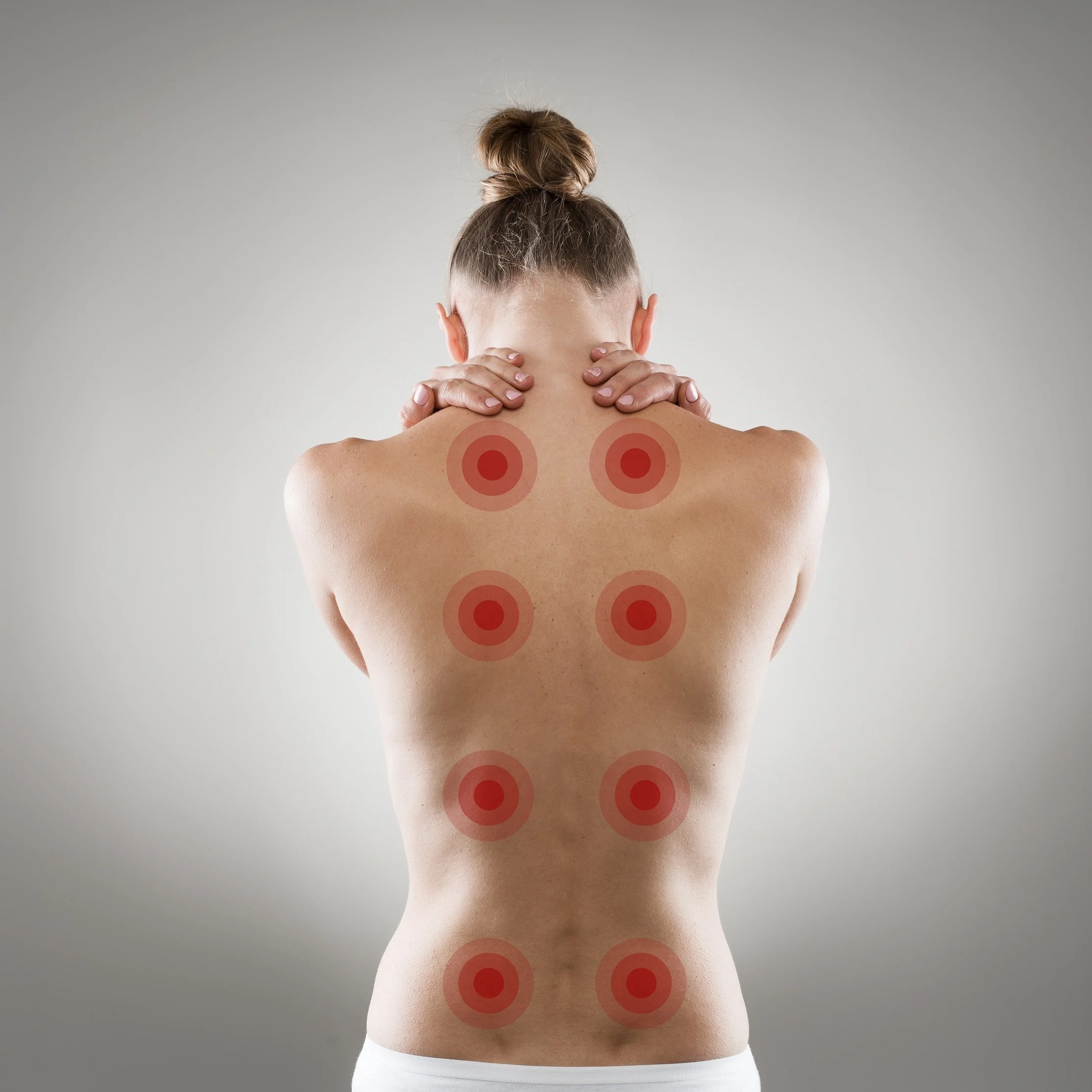
If you’ve been dealing with recurring pain for weeks, months, or even years, you’ve probably asked yourself:
“Why hasn’t this pain gone away yet?”
Most people initially try rest and expect symptoms to improve overnight. And often times, this does work for lighter acute injuries.
Chronic pain tends to persist beyond normal tissue healing time and recurs with multiple triggers. What holds the body back from healing can stem from a combination of stress or an overstimulated nervous system, reduced circulation, and repetitive triggering patterns that prevent full recovery.
You likely didn’t give it much thought until it had been a couple of weeks of - just going to sleep on time, and waking up still in pain - before taking it seriously. Now, you’re googling or trying to find a solution to free yourself from this pain. Here I’m going to share a few ways to better manage chronic pain so your body can actually move toward full recovery.
One commonly overlooked factor in early injury recovery is adequate rest. Immediately following the injury, did you take a few days off from work, and just rest? That probably would have been the fastest road to recovery - and allowed your body to fully heal through the pain. Here’s why:
Stress & Lifestyle Factors
Believe it or not, your mental stress does affect your physiology (how your body works). Being constantly mentally engaged can distract the body from taking care of the injury.
Stress increases sympathetic nervous system activity
This increases muscle tension
This reduces circulation
Reduced circulation slows tissue recovery
Taking time off from work immediately following an injury allows your mind to rest. Which then enables your body to relax, and allow for better circulation and faster recovery.
Incorporate Relaxation
So if you haven’t already - incorporate relaxation routines into your schedule
Nervous system regulation (yoga 3x/week, sleep early, read before bedtime, meditation, nature walks)
Circulation support (cardio 2x/week, walking)
Recovery support (acupuncture 1x/week)
Relaxation is definitely the first low hanging fruit we want to try before anything else.
Now sometimes even after taking time off from work, the body just doesn’t fully relax. This can indicate a physical imbalance - lack of nourishment of an area on a deeper level. Chronic pain isn’t triggered by just one thing — it’s usually a combination.
Once an injury or problem has become chronic - you might notice it gets triggered by random things like poor sleep, alcohol consumption, or with exercise. And this all indicates that the problem just hasn’t fully healed yet. It doesn’t mean that you’ll never be able to stay up late again, or have the occasional alcoholic beverage, but just that the circulation to the problem area needs to be increased to achieve full recovery. And that just hasn’t happened yet.
Your Triggers Have Meaning
When triggered, try to keep a log of what was the last thing you did, or any potential contributing factors. This can indicate what aspect of the body is being stressed, which can help identify what needs to be worked on to achieve full recovery.
Sleep
For example in TCM, staying up late may affect liver function, as does alcohol consumption - which can exacerbate muscle injuries or tendon inflammation the following day.
Time Of Day
Is your problem worse at the end of the day or in the morning? Mornings are related to circulation, while end of the day can indicate fatigue, or low energy state (reduced recovery capacity).
After Eating
After eating a meal, the blood rushes to the stomach to process food. This takes blood away from other areas of the body, and so an old injury might become more noticeable at this time due to temporary changes in circulation.
After Exercise
Again similar to after eating, blood goes to repair muscle fibers through an inflammatory process that is perfectly normal and healthy. During this time, there may be less blood in the bones or other areas, and therefore you might notice more pain.
Your Diet Can Support Recovery
Sometimes what you’re eating hasn’t been optimized to support recovery in the area of concern. While diet alone is not a direct treatment for chronic pain, it can play a supportive role in how well your body heals and regulates inflammation.
In Traditional Chinese Medicine (TCM), food is often viewed not just as fuel, but as something that can influence internal balance, circulation, and tissue recovery. Different foods are traditionally associated with supporting different systems in the body.
For example, in TCM theory:
Foods that support circulation and warmth are often used when there is stiffness, coldness, or slow recovery in muscles and joints
Examples: ginger, cinnamon, garlic, lamb, bone broth, oatsLighter, hydrating foods are often used when there is inflammation, heat, or swelling
Examples: cucumber, celery, watermelon, pears, mung beans, leafy greensNutrient-dense, “building” foods are traditionally emphasized when the body feels depleted or slow to recover
Examples: eggs, lamb, salmon, chicken, beef, black beans, lentils, quinoa
The goal is not restriction, but alignment—supporting the body in a way that complements recovery rather than working against it. We provide a full dietary consultation from a TCM perspective with each treatment at our Toronto acupuncture clinic.
How Acupuncture Treatment Helps
If your pain hasn’t fully healed, even after physiotherapy or medication, here are some reasons why acupuncture may complement other treatments:
Sometimes good sleep just isn’t enough for a full recovery. Acupuncture helps the body to relax on a deeper level. Benefits include:
A deeper state of nervous system relaxation, helping the body shift out of a constant “stress response” state
Improved circulation, which can support tissue repair and reduce stiffness or tightness
More restorative sleep, especially when sleep quality has been affected by ongoing pain or stress
Improved overall energy and vitality, as the body is able to allocate more resources toward recovery rather than a constant mental stress load.
Acupuncture may be less mechanically disruptive to surrounding tissues. Sometimes with manual therapy (massage or physio), the treatment may cause additional inflammation in the surrounding tissues while trying to target the main area of concern.
Acupuncture treatment allows the body to work through the problem area without causing unnecessary inflammation. This means less work for your body, and energy is preserved for maximizing recovery in the targeted pain area.
Complementary Use of Japanese-style Moxibustion
In some cases of chronic or recurring pain, acupuncture alone may not fully address the underlying pattern of stagnation or reduced circulation in the affected area. In these situations, Japanese-style moxibustion may be used as a complementary approach.
Moxibustion involves the gentle application of heat to specific points on the body. From a Traditional Chinese Medicine perspective, warmth can help support circulation and encourage movement in areas where stagnation or stiffness is present. This can lead to improved healing and recovery.
Rather than relying on mechanical stimulation, moxibustion works through thermal stimulation, which may help:
improve local circulation to tight or underactive areas
support relaxation of chronic muscle tension
enhance the body’s natural repair response in slower-healing tissues
In clinical practice, it is often used alongside acupuncture when a deeper level of tissue “activation” is needed to support recovery.
Not every case requires it, but in certain chronic pain patterns—especially those that feel stiff, cold, or slow to improve—it can be a valuable addition to treatment.
Although we cannot possibly provide all reasons for why an injury hasn’t fully healed, these are some of the main considerations when trying to resolve chronic pain. With a few sessions of acupuncture, you may notice less pain, less easily triggered, and overall feeling less intense compared to before. If you’re interested in exploring how acupuncture can help you achieve a full recovery book a session at our Toronto acupuncture clinic: