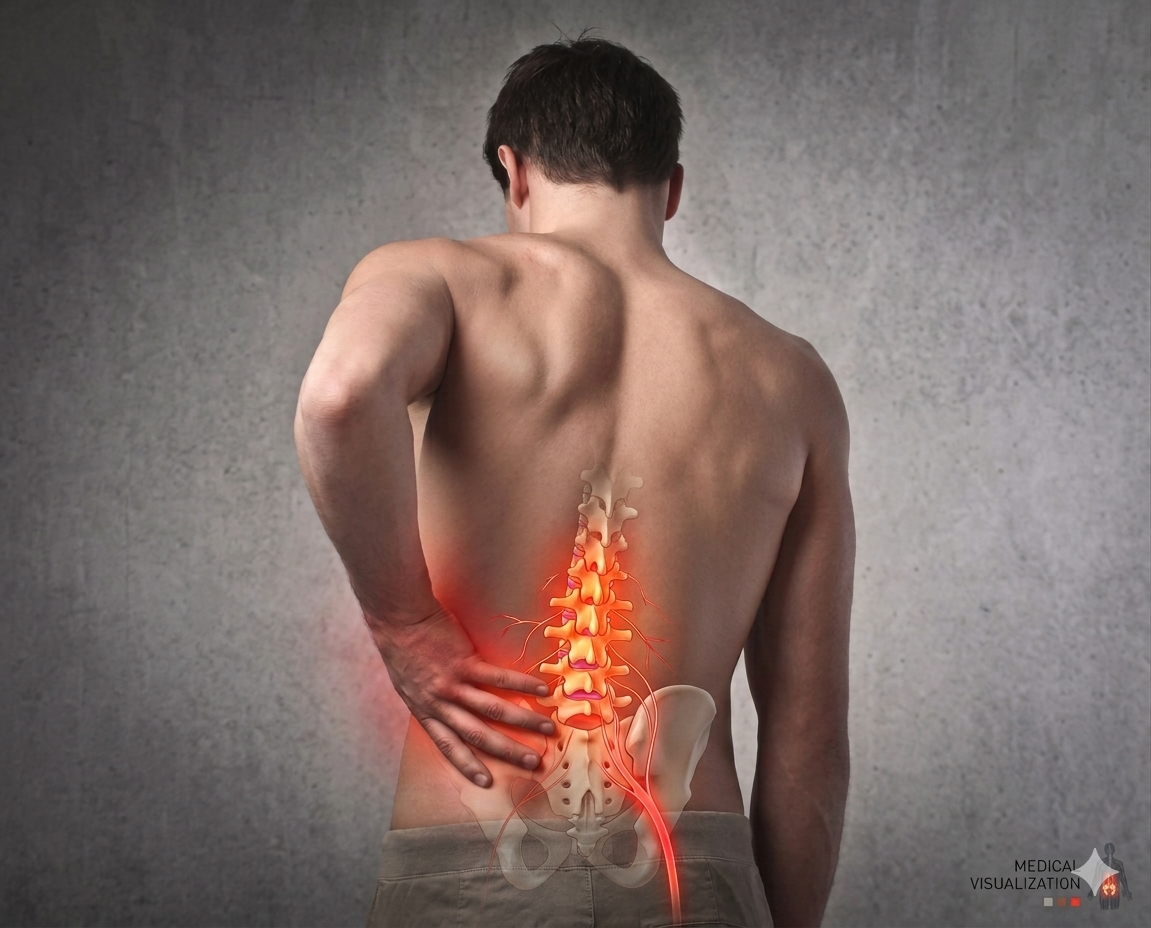
If you’ve been dealing with nerve pain—whether it’s sciatica, carpal tunnel syndrome, or a persistent tingling sensation—you’ve probably asked:
“What’s actually causing this?”
Most people assume nerve pain comes from a pinched nerve or physical injury.
And while that’s true… it’s often only part of the story.
In a fast-paced city like Toronto, one of the most overlooked causes of nerve pain is something deeper: Chronic stress and physical exhaustion.
1. Chronic Stress & Burnout (A Hidden Cause of Nerve Pain)
We live in a culture that rewards constant productivity—long hours, side hustles, and pushing through fatigue.
Over time, this creates chronic stress, which affects more than just your mental health.
Exhaustion of your body’s resources, can lead to weakness over time. It’s like trying to workout when you had a bad night of rest. Your stamina just isn’t there.
This fatigue doesn’t just affect your overall energy and mood, but in TCM your vitality stems from the kidneys. If depleted, this can lead to nerve compression, bulging discs, sciatica, radiculopathy, carpal tunnel syndrome, and shoulder impingement as the kidneys regulate bone health, and structural integrity in TCM.
This impacts your body as:
A weak structural support —> laxity in the joints —> muscular tension to compensate
Over time, this can contribute to:
Nerve compression
Overall tightness in the body
Inflammation
Increased pain sensitivity
Short bursts of stress can be beneficial. Chronic stress is not.
2. Poor Posture & Prolonged Sitting
Did you know that sitting actually increases your blood pressure? As a result, your heart has to pump harder to maintain healthy levels of ciruclation. Sitting for long periods—whether at a desk or in a car— can be exhausting.
Common effects include:
Tight hip flexors
Tension in the lower back
Rounded shoulders and forward head posture
These changes can lead to:
Sciatica
Shoulder impingement
Numbness or tingling in the arms and legs
Even small postural imbalances, repeated daily, can gradually irritate nerves.
3. Overuse & Lack of Recovery
Exercise and movement are essential—but without proper recovery, they can contribute to pain instead of preventing it.
Signs of inadequate recovery:
Persistent soreness
Decreased strength or performance
Ongoing tightness
Over time, this creates structural fatigue, increasing the risk of:
Nerve irritation
Joint instability
Compensation patterns that lead to chronic pain
Your body doesn’t rebuild during activity—it rebuilds during recovery.
4. Repetitive Strain & Modern Habits
Daily habits like typing, scrolling, and gaming may seem harmless—but repetition without variation adds up.
This is a major contributor to:
Carpal tunnel syndrome
Wrist and forearm pain
Neck-related nerve symptoms
When movement lacks variety, tissues become overloaded—and nerves can become compressed.
5. Physical Weakness & Structural Imbalance
From a Traditional Chinese Medicine perspective, long-term stress and exhaustion weaken the body’s foundational energy—often associated with the Kidney system.
From a modern perspective, this can look like:
Reduced joint stability
Poor spinal support
Increased susceptibility to misalignment
This is where many diagnoses overlap:
Sciatica
Radiculopathy
Bulging discs
Shoulder impingement
Different labels—same underlying pattern: structural imbalance leading to nerve compression.
What Is Nerve Pain Really Telling You?
Nerve pain isn’t just something to push through.
It’s often your body’s way of signaling that you’re pushing beyond your physical or mental limits.
True recovery requires more than symptom relief.
It requires rest, circulation, and restoring balance to the system.
The Role of Rest (Often Misunderstood)
Rest isn’t simply “doing nothing.”
You can be physically still but mentally overactive—and that’s not true recovery.
Real rest might include:
Walking outdoors
Deep, quality sleep
Meditation or breathwork
Gentle movement like yoga
Or simply allowing your nervous system to shift out of stress mode.
How Acupuncture Can Help Nerve Pain
Acupuncture addresses both the symptoms and underlying causes of nerve pain.
It may help:
Improve circulation to affected areas
Reduce muscle tension and nerve compression
Regulate the nervous system
Support the body’s natural recovery processes
Many patients report feeling deeply relaxed—similar to a restorative nap.
In that sense, acupuncture isn’t just a treatment.
It’s a structured form of recovery your body may be missing.
Final Thoughts: Address the Root Cause of Nerve Pain
Conditions like sciatica, carpal tunnel syndrome, and chronic nerve pain are rarely isolated issues.
They often stem from a combination of:
Chronic stress
Physical exhaustion
Poor recovery habits
Structural imbalances
Addressing these root causes is what leads to long-term relief—not temporary fixes.
Looking for Nerve Pain Treatment in Toronto?
At AcuSoul, we take a whole-body approach to treating nerve pain—combining acupuncture with personalized lifestyle guidance to support full recovery.
If you’ve been dealing with persistent nerve pain, it may be time to look beyond the surface—and address what’s really driving it.