
Having the same post-workout tightness or recurring flareups from an old injuiry? Whether you’re a professional athlete, martial artist, or weekend warrior, conventional recovery tools like massage, ice, and heat sometimes only scratch the surface.
If you’re pushing your body to the limits, it’s time to recover smarter—and that’s where moxibustion comes in.
Moxibustion is a time-tested therapy from Chinese medicine that is used to strongly promote circulation. Although it’s use has been traced back over thousands of years, it's still relatively unknown in most sports medicine circles.
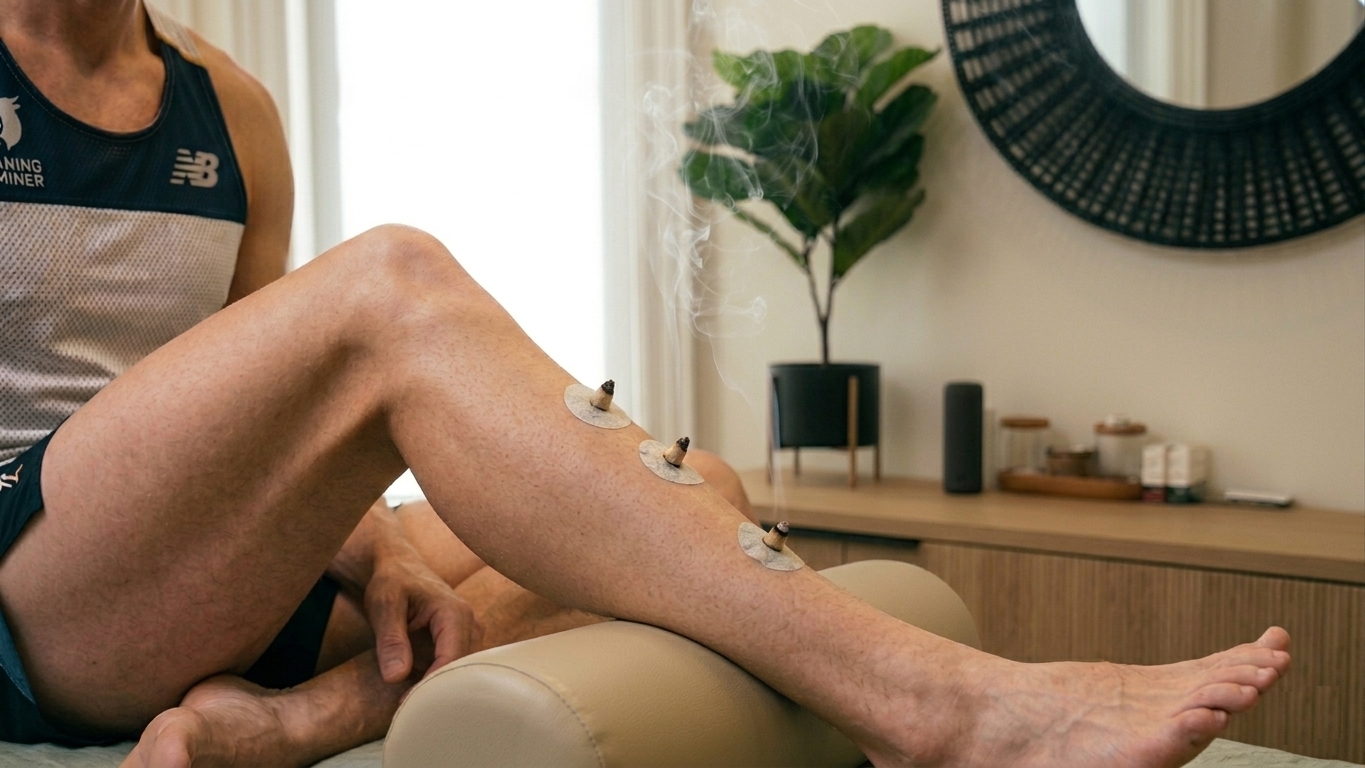
Most athletes are familiar with massage, cupping, taping, ice or heat as part of their recovery process. If all you experience is some light muscle soreness, then your body is still relatively healthy and experiencing normal recovery, thus there’s no need to change things up. But if you're dealing with recurring abnormal pain or lingering injuries—like nerve discomfort, an old ACL tear, or a tendon that keeps flaring up—you might need a deeper, more targeted treatment. Moxibustion provides focused, deep-reaching heat that stimulates circulation and supports the body’s natural repair processes, without unnecessary trauma.
Let’s consider a ligament/tendon strain for example. Sometimes these injuries never fully heal and become weak points that flare up with heavy use. Massage can help, but often requires working through multiple tissue layers—compressing blood vessels, fascia, and surrounding muscles—just to reach the injury. That can cause additional trauma in otherwise healthy areas, making recovery slower and less efficient.
Now imagine a treatment that directly targets the injured tendon or ligament without disturbing the surrounding tissue. That’s where acupuncture and moxibustion come in—offering a smarter, more efficient path to healing.
THE LIMITS OF HEAT AND ICE
Ice and heat can feel good, but they have limitations. For one, they struggle to reach deeper tissues. And in the case of cold therapy, you're often muting the inflammatory response that’s actually necessary for healing. Think of it like banging your thumb—it swells for a reason. That inflammation brings blood to the area, supporting tissue repair. Suppress that process too soon, and you may be cutting healing short.
HOW MOXIBUSTION WORKS
Moxibustion involves applying therapeutic heat to acupuncture points using a specialized herb (commonly mugwort) that’s burned in a controlled way to warm the body without damaging the skin. Depending on the point, we are targetting a certain level of depth within the body. This targeted heat helps stimulate circulation, improve energy flow, and activate internal organs associated with tissue healing:
Tendons and ligaments = Liver
Muscles = Spleen
Bones and nerves = Kidneys
By activating these systems, we help the body heal the problem area from within, instead of causing trauma to the surrounding tissue. This leads to a more efficient form of healing. You feel better, with less side effects.
Acupuncture vs. Moxibustion
Acupuncture includes both traditional methods and dry needling. Dry needling is effective for directly targeting specific muscles or tendons, especially in acute injuries. But with chronic issues that resist healing, traditional acupuncture often works better by stimulating organ functions that drive circulation and regeneration—even from points distant from the pain site.
If your recovery is being held back by stress, poor sleep, or a demanding schedule, traditional acupuncture may be just what you need to slow down your nervous system and allow proper healing to begin.
When acupuncture alone doesn’t seem to deliver long-term results—meaning symptoms return once treatment ends—that’s when moxibustion may be more effective. By delivering deep-penetrating heat, moxibustion helps kickstart healing in stubborn, stagnant areas where other treatments fall short.
EFFICIENT HEALING MATTERS
Efficiency is everything when it comes to recovery. Many of my athletic clients are surprised at how fast and gentle these treatments are—and even more impressed with how quickly they feel relief. Compared to massage, there’s less post-treatment swelling and inflammation, because we’re not overworking the body. Instead, we use fewer resources and deliver more targeted healing.
SO WHICH IS RIGHT FOR YOU?
Acupuncture and moxibustion aren’t one-size-fits-all. During your session, our practiitoners can assess how your body responds to acupuncture, and if necessary, pivot to moxibustion for better results. Whether you're dealing with a stubborn shoulder injury, chronic knee pain, or recurring nerve discomfort, we can find the approach that unlocks your body’s natural healing potential.
If you're ready to take your recovery to the next level, consider incorporating moxibustion into your routine. Click below to book a session—we’re here to help you heal smarter, faster, and more completely.
Frequently Asked Questions About Moxibustion for Athletic Recovery
1. What is moxibustion, and how does it help athletes?
Moxibustion is a traditional heat therapy that applies controlled warmth to specific points on the body. For athletes, it targets stubborn injuries, reduces muscle tension, improves circulation, and accelerates recovery, helping you get back to training faster.
2. How is moxibustion different from heat packs or ice therapy?
Unlike ice or superficial heat, moxibustion penetrates deep into muscles, tendons, and ligaments. It supports natural healing processes without disrupting healthy surrounding tissue, making it more efficient for chronic or recurring injuries.
3. Can moxibustion treat old injuries?
Yes! Many athletes struggle with flare-ups from previous injuries like ACL tears, tendon strains, or recurring nerve discomfort. Moxibustion delivers targeted heat directly to the affected area, encouraging tissue repair and reducing lingering pain.
4. How quickly will I notice results?
Most athletes report feeling improved mobility and reduced tension after the first session, though deep or chronic injuries may require a few sessions for lasting effects. Results vary based on the injury, training intensity, and overall health.
5. Is moxibustion safe for active adults?
Absolutely. When performed by licensed practitioners, moxibustion is safe, non-invasive, and gentle on the body. It complements standard recovery methods like massage, stretching, and strength training without side effects.
6. Should I combine moxibustion with acupuncture?
For many athletes, combining acupuncture and moxibustion provides the best results. Acupuncture stimulates specific points to promote circulation and energy flow, while moxibustion adds deep heat to accelerate tissue repair and reduce stiffness.
7. How often should I have moxibustion treatments?
Frequency depends on your recovery goals, injury severity, and training schedule. Our practitioners can tailor a treatment plan—some athletes benefit from weekly sessions, while others see improvements with bi-weekly or as-needed treatments.