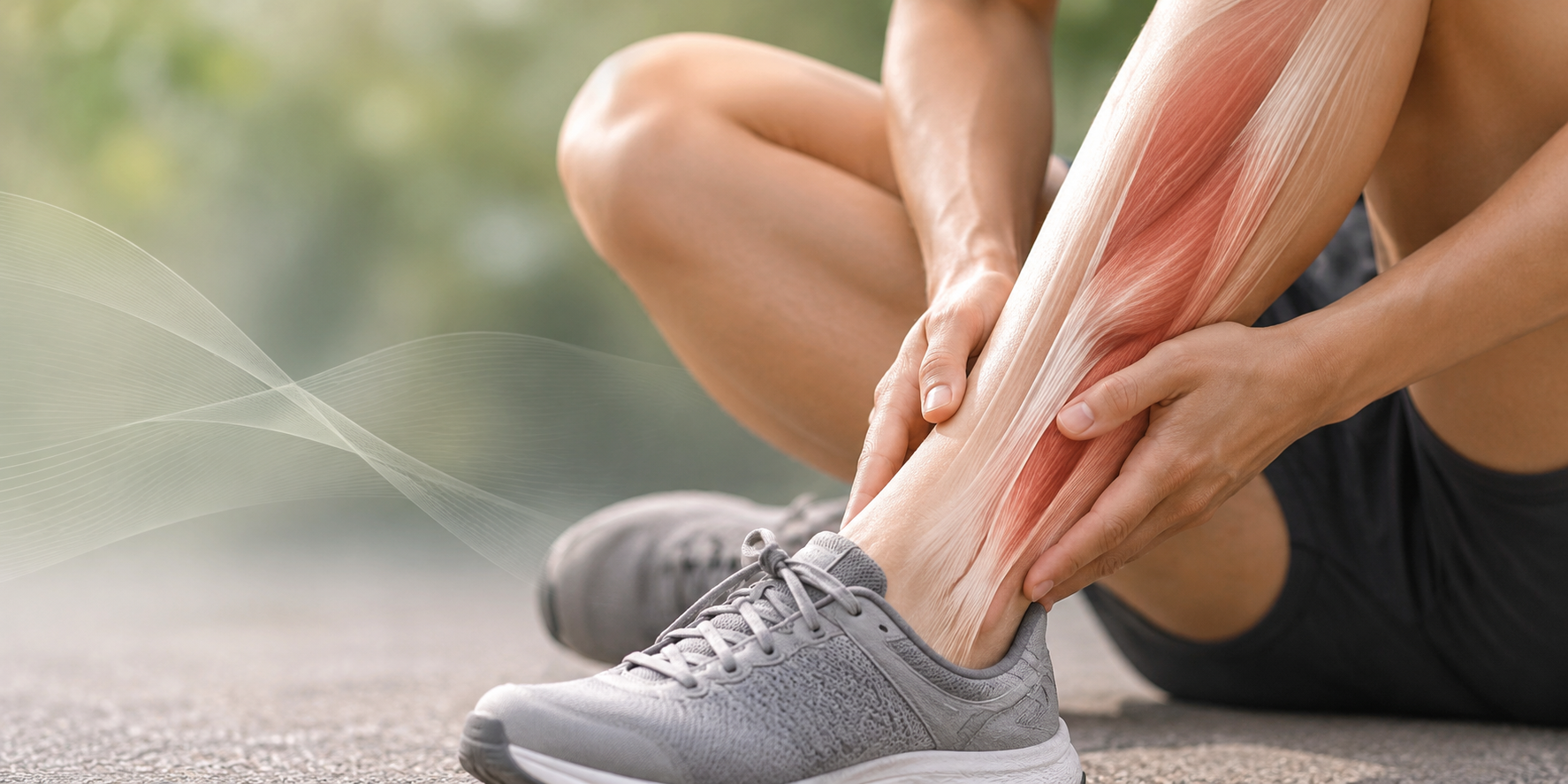
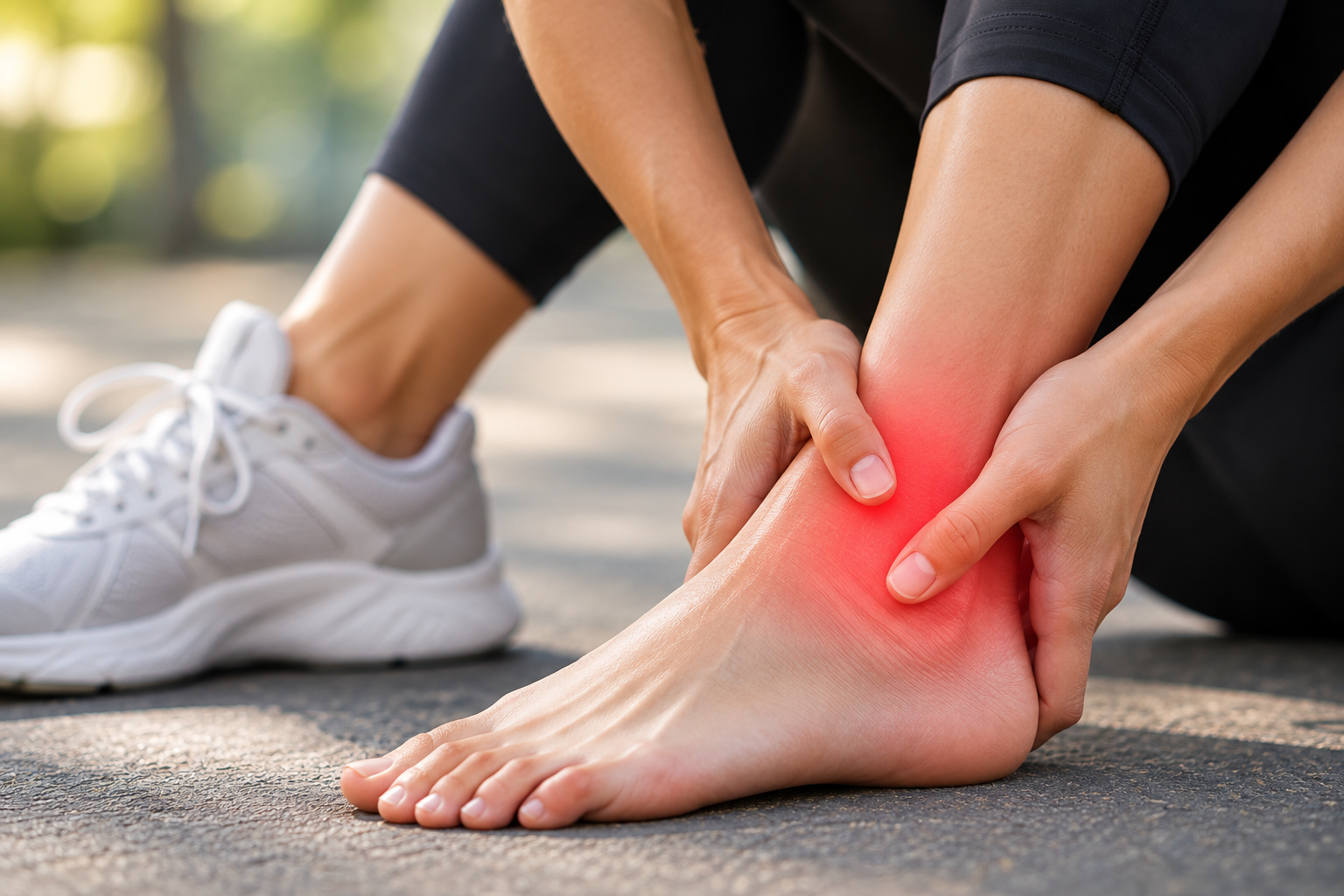
Pulled a muscle at the gym? Rolled your ankle playing sports? Or maybe you're still dealing with an old injury that never seems to fully recover. You may find that even after weeks of rest, the affected area still feels tight, weak, stiff, or uncomfortable with use. You might be at a point where you’ve just accepted it, and are looking to give up, but guess what? If you haven’t tried acupuncture before, it could be the solution you’ve been looking for to support your recovery.
At AcuSoul, we incorporate both acupuncture and Japanese-style moxibustion, a traditional form of heat therapy, to help address muscular pain, stiffness and discomfort throughout the recovery process.
Whether you're an athlete looking to get back into training or simply someone struggling with everyday aches and pains, recovering from a muscular injury can be a long and frustrating process.
Understanding Muscle Injuries: Sprains, Strains & Tears
Although we often refer to these injuries interchangeably, there are differences in the types of tissues affected and how they recover.
| Type of injury | What is affected? | Common symptoms |
|---|---|---|
| Muscle strain (pulled muscle) | Muscle fibres or tendons | Tightness, pain with movement, tenderness and weakness |
| Ligament sprain | Ligaments that stabilize your joints | Swelling, bruising, pain and joint instability |
| Muscle tear | Partial or complete tearing of muscle fibres | Sharp pain, bruising, weakness and restricted movement |
| Tendon injury | Tissue connecting muscles to bones | Pain with use, stiffness and reduced strength |
Some injuries occur suddenly, while others develop gradually from repetitive use, insufficient recovery or excessive strain on the body.
Common examples include:
Ankle sprains
Hamstring and calf strains
Lower back muscle strains
Rotator cuff injuries
Tennis elbow
Achilles tendon injuries
ACL tears and associated muscular discomfort
Although these injuries affect different parts of the body, many share similar symptoms during recovery: pain, stiffness, muscular tension and difficulty restoring normal movement.
Why Are Your Muscles More Susceptible to Injury?
Have you ever noticed that you're more prone to pulling a muscle when you're exhausted, stressed, or haven't been sleeping well?
Muscular injuries aren't always the result of a single movement. Sometimes, the conditions that make you more susceptible to injury have been developing for weeks.
1. Overworked Muscles & Insufficient Recovery
Whether you're lifting weights, running, playing sports or performing repetitive movements at work, your muscles need adequate time to recover between periods of physical activity.
When the demands placed on your muscles exceed their capacity, they may become fatigued and less capable of handling additional strain.
This is particularly common among individuals who suddenly increase their training intensity or return to physical activity after a prolonged period of inactivity.
2. Stress, Tension & Lack of Sleep
Stress doesn't just affect your mental health.
When you're under prolonged stress, you may find yourself unconsciously tightening your shoulders, neck, jaw or lower back.
Combine this with poor sleep and physical exhaustion, and your body may have a more difficult time recovering from everyday physical demands.
In Traditional Chinese Medicine (TCM), the Liver is closely associated with the nourishment of muscles and tendons. Most people are aware of alcohol’s negative effects on the Liver, but did you know a bad night’s rest can affect your muscles too? A poor night of sleep can strongly affect the liver’s ability to store blood at night, a core function of the liver in TCM. This leads to poor recovery of tendons or ligaments, contributing to patterns of muscular tension and discomfort.
3. Muscular Imbalances & Compensation
Have you ever injured your ankle, only to find that your knee, hip or lower back starts bothering you a few weeks later?
When one part of your body isn't functioning properly, other muscles often compensate.
Although this helps you continue moving, it can place additional demands on surrounding muscles and joints.
This is why addressing an injury early on is important to prevent compensation patterns, and pain in other areas. Who wants more problems to deal with? Not me, and definitely not you!
Why Is Your Injury Taking So Long to Heal?
One of the most common frustrations during recovery is feeling as though you've reached a plateau.
The initial swelling may have subsided, and the sharp pain may have improved, but something still doesn't feel quite right.
You might notice:
Stiffness when waking up in the morning
Tightness when stretching the affected muscle
Achiness after physical activity
Reduced mobility or flexibility
Discomfort that returns whenever you increase your activity
Surrounding muscles becoming increasingly tense
Several factors may contribute to these lingering symptoms.
Muscular Guarding
Following an injury, your body may naturally tighten the surrounding muscles to protect the affected area.
While this can initially serve a protective function, persistent muscular guarding may contribute to stiffness, discomfort and restricted movement.
Circulation & Tissue Recovery
Your muscles require an adequate supply of oxygen and nutrients to support normal tissue repair.
Blood circulation plays an important role in delivering these nutrients to injured tissues. However, recovery also depends on the severity of the injury, appropriate rehabilitation, nutrition and your overall health.
From a Traditional Chinese Medicine perspective, persistent localized pain and stiffness following an injury may be associated with a pattern known as Blood Stagnation.
Treatment traditionally focuses on encouraging the movement of Qi and Blood throughout the affected area.
Returning to Activity Too Quickly
Just because your pain has improved doesn't necessarily mean your muscles, tendons or ligaments have fully recovered.
Returning to your regular training routine too quickly can place excessive demands on tissues that are still rebuilding their strength and capacity.
On the other hand, excessive rest may contribute to weakness and stiffness.
Finding the right balance between rest, movement and rehabilitation is an important part of recovery.
How Can Acupuncture Help With Muscle Injuries?
Acupuncture involves inserting very fine, sterile needles into specific areas of the body.
When working with muscular injuries, treatment may focus on both the localized area of discomfort and surrounding muscles that have become tight or sensitive as a result of the injury.
Acupuncture may help with:
1. Reducing muscular pain
Acupuncture stimulates sensory nerves and influences the body's pain-processing pathways, which may help alleviate certain types of musculoskeletal pain.
2. Addressing muscle tension
Muscles surrounding an injury can become tight and uncomfortable as they compensate for changes in movement. Acupuncture may help relieve some of this muscular discomfort by guiding the circulation to the deeper parts of the muscle injury. We use a very gentle technique and often distal points, which are points that aren’t at the site of injury, in order to guide the healing process.
3. Supporting comfortable movement
By addressing pain and muscular tension, acupuncture may help some individuals move more comfortably during recovery.
4. Managing secondary aches and pains
Treatment can also address discomfort that develops in surrounding areas as a result of compensatory movement patterns.
However, what if your muscles continue to feel stiff, heavy or achy, even after working on the localized area with acupuncture?
This is where we may incorporate another treatment methodology: Japanese moxibustion.
Maximizing Muscle Recovery: Why We Combine Acupuncture & Japanese Moxibustion
We do things a little differently here at AcuSoul.
While acupuncture is an important part of our treatment approach, we also incorporate Japanese-style moxibustion, a traditional warming therapy that complements acupuncture.
Moxibustion involves the use of prepared mugwort (moxa) to deliver heat to specific areas of the body.
Japanese-style moxibustion techniques often utilize highly refined grades of moxa and much smaller cones, allowing practitioners to deliver a more localized and carefully controlled application of heat.
Why Incorporate Heat Into Your Treatment?
Think about how your muscles feel when you're exercising in cold weather compared to when you've properly warmed up.
Warmth can make your muscles feel more relaxed, comfortable and less stiff.
Similarly, moxibustion introduces a warming quality to the treatment that is particularly suited to certain patterns of muscular discomfort.
From a Traditional Chinese Medicine perspective, heat is traditionally used to encourage the movement of Qi and Blood, particularly in areas affected by Cold and stagnation.
For individuals recovering from an injury, this warming approach may be considered when they are experiencing:
Persistent muscular tightness
Lingering achiness
Stiffness and restricted movement
Discomfort aggravated by cold temperatures
Muscular soreness following physical activity
The objective of combining acupuncture and moxibustion is to address muscular discomfort through two complementary treatment approaches.
Rather than relying solely on needles, we can also incorporate controlled warmth where appropriate, depending on the condition of the affected tissues and your stage of recovery.
Want to learn more about how we incorporate heat therapy into our treatments? Read our article, Maximizing Muscle Recovery: Moxibustion The Game Changer.
Note: Heat is not appropriate for every injury, particularly during the very early stages of an injury (first 72 hours) involving active swelling, redness or inflammation.
When Should You Start Acupuncture Following an Injury?
Not every injury should be treated the same way.
The type of treatment we incorporate depends on the severity of your injury, how recently it occurred, and what symptoms you're experiencing.
Recovery timelines differ depending on the tissues involved and the severity of the injury.
A mild muscle strain may improve within a few weeks, whereas a significant ligament injury or muscle tear may require several months of rehabilitation.
| Stage of recovery | What is happening? | Treatment considerations |
|---|---|---|
| Acute injury | Pain, swelling, bruising and tissue damage | Prioritize injury assessment and appropriate protection. Avoid direct heat over acutely inflamed tissues. |
| Early recovery | Swelling may begin to subside and tissue repair is underway | Acupuncture may be considered for pain-related symptoms following appropriate assessment. |
| Rehabilitation | Gradual restoration of mobility, strength and function | Acupuncture and appropriate warming therapy may complement rehabilitation by addressing muscular discomfort and stiffness. |
| Later recovery | Returning to normal activities and rebuilding physical capacity | Treatment may focus on lingering muscular tension, discomfort and compensatory symptoms. |
If you experience severe pain, significant bruising, sudden weakness, an inability to bear weight or a noticeable deformity, seek medical assessment before beginning treatment.
Acupuncture & Physiotherapy: Working Together
One of the most important aspects of recovering from an injury is restoring the strength and function of the affected area.
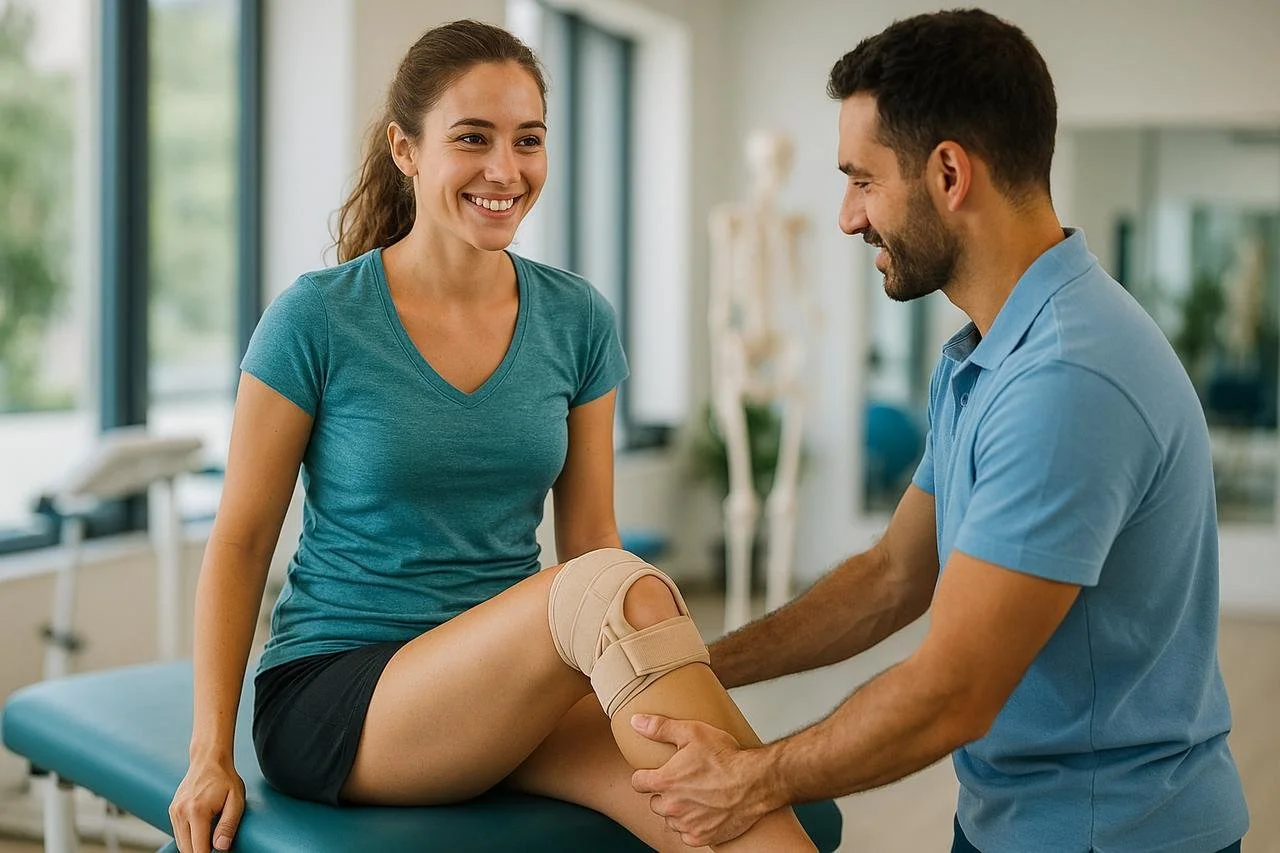
While physiotherapy focuses on rebuilding strength, improving stability and restoring normal movement patterns, acupuncture and moxibustion may complement this process by addressing associated pain, muscular tension and stiffness.
Both approaches have different roles.
Feeling less pain after treatment doesn't necessarily mean an injured muscle or ligament has fully healed. Continuing your prescribed rehabilitation exercises and following the recommendations of your healthcare team remain essential.
What Else Can You Do to Support Muscle Recovery?
Your recovery doesn't just depend on the treatments you receive. What you do outside the clinic matters as well.
Get Adequate Sleep
Sleep plays an important role in physical recovery. If you're consistently exhausted, consider whether your sleeping habits are allowing your body adequate time to rest and recuperate.
Nourish Your Muscles Through Food
Your body requires sufficient protein, energy and nutrients to support normal tissue repair.
Incorporate a variety of nutrient-rich foods into your diet, including:
Eggs, fish, lean meats and legumes for protein
Dark leafy greens for folate and other micronutrients
Citrus fruits and bell peppers for vitamin C
Nuts, seeds and whole grains for a range of essential nutrients
From a TCM food therapy perspective, nourishing Blood is also traditionally considered important for supporting the muscles and tendons.
Gradually Restore Movement
Avoid the temptation to test an injury repeatedly to see whether it has healed.
Instead, gradually increase your activity as recommended by your physiotherapist or healthcare professional.
Explore Acupuncture for Specific Muscular & Sports Injuries
Depending on the type of injury you're recovering from, your treatment considerations may differ.
Explore our related articles:
Acupuncture for Ankle Sprain Recovery – Recovering from a rolled ankle, ligament sprain or lingering ankle discomfort.
Acupuncture for ACL Surgery Recovery – Managing muscular tension and stiffness during post-surgical rehabilitation.
Acupuncture for Muscle & Sports Injuries in Toronto
Whether you're recovering from a pulled muscle, a sports-related injury, or struggling with persistent muscular tension that never seems to fully go away, we're here to help.
At AcuSoul in King West, downtown Toronto, our approach combines acupuncture and Japanese-style moxibustion, with treatments tailored to the nature of your injury and your stage of recovery.
Our focus is on helping you manage discomfort, address muscular tension and move more comfortably as you work towards recovery.
Don't let lingering aches, pains and stiffness continue to interfere with your everyday activities.
Frequently Asked Questions
Is acupuncture good for pulled muscles?
Acupuncture may help manage pain and muscular tension associated with a pulled muscle. Treatment should be adapted to the severity of the strain and used alongside appropriate rehabilitation.
Can acupuncture help with ligament sprains?
Acupuncture may provide complementary symptom relief during recovery from certain ligament injuries. It does not repair a torn ligament or replace rehabilitation needed to restore joint stability.
Is moxibustion good for muscle recovery?
Moxibustion is traditionally used to address muscular stiffness, coldness and discomfort through controlled warmth. It may complement acupuncture in appropriate stages of recovery, although evidence that it accelerates tissue repair remains limited.
Should I use heat or ice for a muscle injury?
This depends on the type and stage of the injury. Heat is generally avoided over freshly injured, actively swollen tissues. During later stages of recovery, warmth may help manage certain types of muscular stiffness and discomfort.
Can I receive acupuncture while attending physiotherapy?
Yes. Acupuncture can be incorporated as a complementary treatment alongside physiotherapy when appropriate. Your treatment should account for any restrictions provided by your physiotherapist, surgeon or healthcare professional.
Related Articles on Pain Management: